How Much Does Truck Financing Cost? A 2026 Price Guide
Learn how interest, fees, down payment and loan term add up to the true cost of financing a pickup, work truck or semi, with worked examples and a payment calculator.
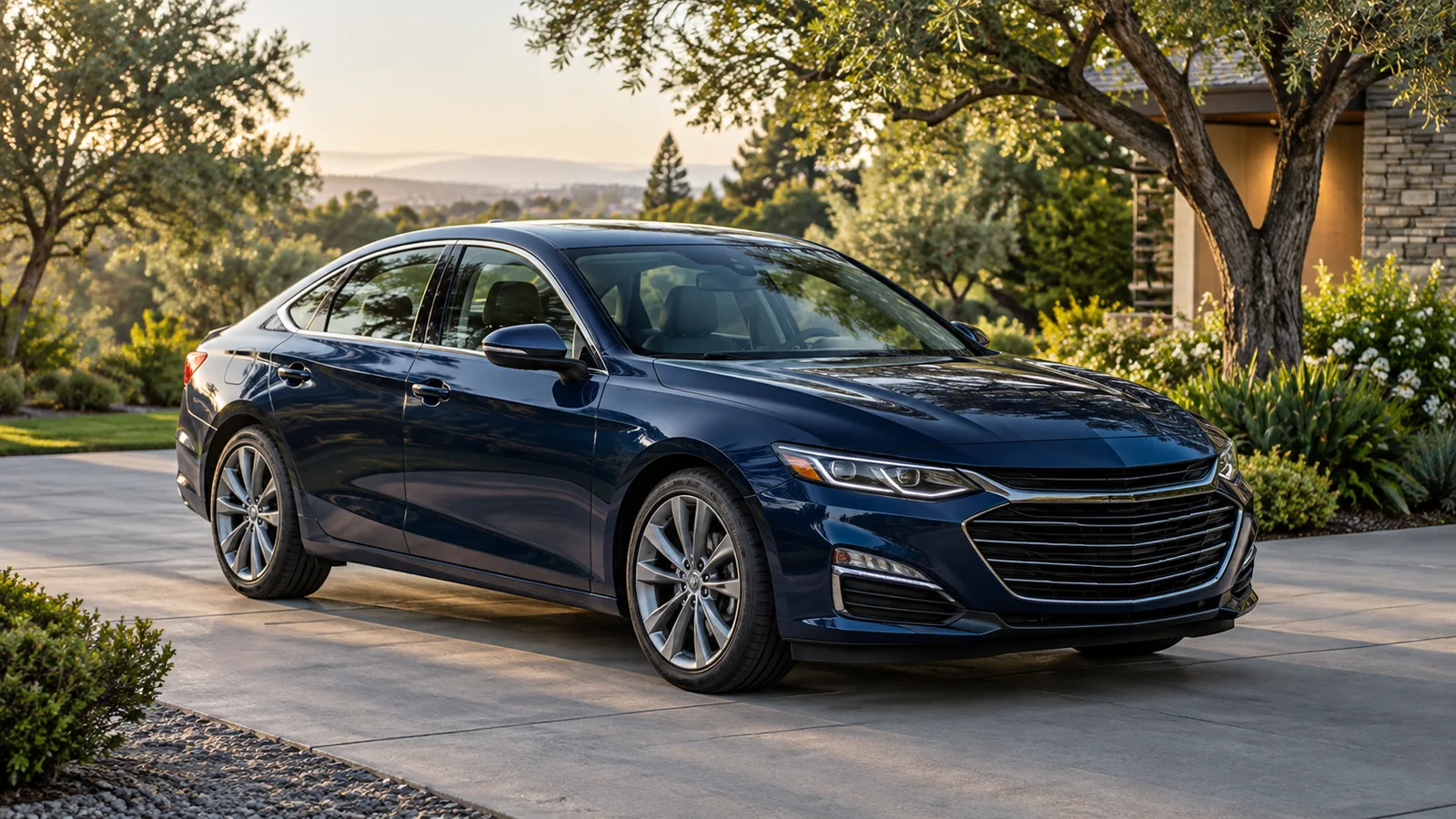
Truck financing costs more than the sticker price because you pay interest and usually some fees on top of the purchase price. The true cost depends on four things you can see in any quote: the amount financed, the annual percentage rate (APR), the length of the loan and the upfront fees. Rates change with the market and with your credit, so this guide explains how the cost is built and how to calculate it yourself instead of quoting a "going rate" that may be out of date by the time you read it.
The four numbers that set your cost
Every truck loan can be reduced to four inputs:
- Amount financed. This is the truck price plus taxes, title and registration, dealer fees and any add-ons you roll in, minus your down payment and trade-in value.
- APR. The yearly cost of borrowing, expressed as a percentage. For consumer loans the lender must disclose APR under the Truth in Lending Act. Commercial loans often do not carry the same disclosures, so ask for the effective annual cost in writing.
- Term. The number of months you will make payments. Longer terms reduce the payment but increase total interest.
- Fees. Documentation fees, origination fees, lien filing charges and sometimes prepayment penalties.
Change any one of these and the cost moves. A lower rate on a shorter loan with a bigger down payment is cheaper in total; a long term with a small down payment is cheaper per month but much more expensive overall.
How the payment is calculated
Most truck loans are amortizing: you pay the same amount each month, and each payment covers that month's interest first, with the rest reducing the balance. The formula is:
payment = P x r / (1 - (1 + r)^-n)
where P is the amount financed, r is the APR divided by 12 and n is the number of months.
Worked example (illustrative numbers, not current market rates): you finance $65,000 at 9.5% APR for 60 months.
- r = 0.095 / 12 = 0.007917
- The payment comes to about $1,365 a month.
- Total paid over 60 months is about $81,900, so interest is roughly $16,900.
Now stretch the same loan to 84 months. The payment drops to roughly $1,060, which feels easier, but you will make 84 payments, totaling about $89,000. That is about $7,000 more in interest than the 60-month version. You can test your own combination with the truck payment calculator.
Typical cost components compared
| Cost item | What it is | How to reduce it |
|---|---|---|
| Interest | The lender's charge for the money, driven by APR and term | Improve credit, shorten term, compare lenders |
| Down payment | Cash you pay upfront, which lowers the amount financed | Save more, trade in a vehicle with equity |
| Origination or documentation fee | Flat or percentage charge for processing | Ask for it to be waived or reduced |
| Taxes and registration | State and local sales tax, title, plates | Check your state rules; some work trucks have exemptions |
| Insurance | Required physical damage and liability coverage | Shop quotes before you commit to the truck |
| Add-ons | Extended warranty, GAP, maintenance plans | Decline or price them separately |
| Prepayment penalty | Fee for paying off early, on some commercial loans | Negotiate it out or choose a loan without one |
Pickups versus commercial trucks
A consumer buying a half-ton pickup for personal use is usually financing through a bank, credit union or dealer with an auto loan. Terms such as 60, 72 and even 84 months are common, and the loan is covered by consumer disclosure rules. A business buying a Class 8 tractor or a heavy-duty work truck is typically using equipment financing, where the terms are shorter, the lender may require a larger down payment and underwriting leans on business revenue and the age of the truck. Used commercial trucks with high mileage can be financed, but often at higher rates and shorter terms because the collateral loses value faster.
The vehicle type also changes the other costs you must plan for. A semi tractor owner-operator pays for commercial liability and physical damage insurance, the Heavy Vehicle Use Tax for trucks at or above 55,000 pounds gross weight (IRS Form 2290), fuel, tires and maintenance. Those costs sit on top of the payment, so a truck is affordable only if revenue covers all of them.
Beyond the payment: total cost of ownership
Lenders quote a payment, but you should budget for the whole truck. A simple monthly budget for a commercial buyer includes:
- Loan or lease payment
- Insurance premiums
- Fuel and tolls
- Maintenance and tires, with a reserve for major repairs
- Licensing, permits and taxes
- Cash flow gaps while waiting to be paid by customers
If you work for brokers and shippers who pay in 30 to 45 days, the freight factoring fee calculator shows what faster payment costs. Subtract all these items from expected revenue, and the leftover is what the truck truly earns you. If that number is thin, a cheaper truck or a larger down payment may be wiser than the longest term available.
Using your quotes
When you receive offers, put them side by side and compare APR, term, total paid and fees, not only the monthly payment. For a deeper walk through of how to negotiate, see how to get the best truck financing deal. To understand why two buyers get different rates, read what affects truck loan rates.
Frequently asked questions
Is the interest rate or the APR more important?
APR is generally the better comparison because it includes some fees in addition to interest. On commercial loans, ask the lender to state the total finance charge in dollars, which makes comparison easier.
Does a longer term always cost more?
In total interest, yes, if the rate stays the same. A longer term lowers the monthly payment, which may matter for cash flow, but you also stay in debt longer and risk owing more than the truck is worth.
Are taxes included in the amount financed?
Often they can be, but whether to roll them in is your choice. Financing taxes and fees means you pay interest on them. Paying them in cash lowers the loan.
What is a reasonable down payment?
There is no universal figure. Larger down payments reduce interest and improve approval odds, especially on used or heavy trucks, but you should keep enough cash for insurance, repairs and operating expenses.
Sources and further reading
- Consumer Financial Protection Bureau — auto loan guides and complaint tools
- Federal Trade Commission — consumer advice on vehicle financing
- Internal Revenue Service — Form 2290 and truck-related tax information
- FMCSA — registration and operating requirements for commercial carriers